



Hyundai Tire Pressure Guide
Tire pressure is one of the many things car owners often overlook until warning lights appear on the car's dashboard and they perform a quick online search in a parking lot. Proper tire pressure maintenance can improve safety and fuel economy and extend the life of your tires. This Tire Pressure Guide offers tips for new and experienced Hyundai drivers on tire pressure maintenance. Tips for tire maintenance all year long, including tips for the cold winters in Maryland, are included.
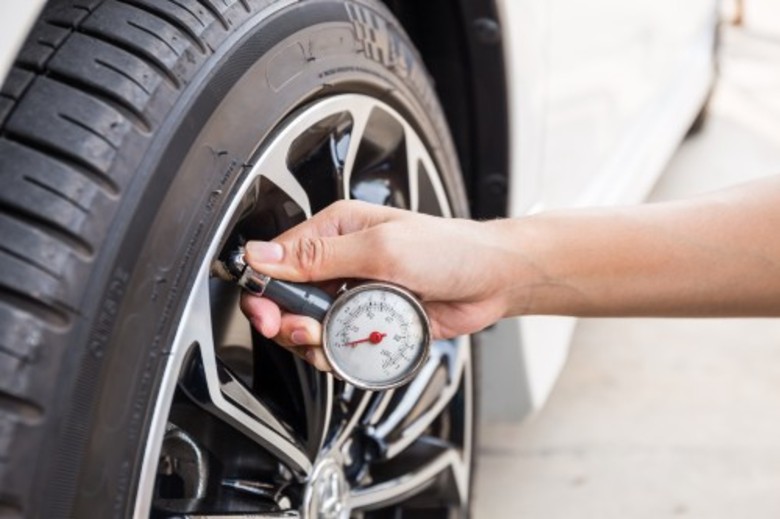 Target Cold PSI: 32 to 36 PSI
Most Hyundai cars and SUVs require 32 to 36 PSI when cold and unloaded, as printed on the driver-side door jamb sticker rather than the tire sidewall maximum. Drivers in Bowie and Crofton, MD can visit Hyundai of Bowie at 2404 Crain Hwy, Bowie, MD 20716 for tire pressure checks, rotations, and new tire installations.
Key Takeaways for Hyundai Drivers
- 1 Use the door jamb label, not the tire sidewall: The sidewall number is the physical maximum, while the driver-side door sticker lists 32-36 PSI for most unloaded Hyundai models.
- 2 Expect overnight winter drops in Bowie and Crofton: A fall from 70°F to 30°F can cut tire pressure by 4 PSI overnight without any leak or puncture.
- 3 Measure tires cold for accuracy: Check PSI after parking for three or more hours and driving one mile or less, without exceeding sidewall max.
- 4 Do not wait for the TPMS light: Manual monthly checks with a digital gauge catch underinflation before pressure falls 25 percent below target.
What Should My Tire Pressure Be?
What drivers should know about proper tire inflation right now is that the inflation level marked on the outside of the tire is not the correct level for driving safety and performance. The inflation level marked on the outside of the tire is the maximum level the tire can physically hold. Inflating tires to the level marked on the outside of the tire is like putting too much gas in your vehicle's gas tank. There's room for more, but it's not a good idea.
Recommended Hyundai Tire Pressure information can be found on a label inside the driver's door. Open your driver's door and check the door jamb for a label with recommended cold inflation pressures for the front and rear tires of your vehicle. Check your owner's manual if you cannot find the label with recommended tire pressures for your vehicle. Recommended tire inflation pressures for most Hyundai cars and SUVs are 32-36 PSI when not loaded. Check the tire pressure label on your vehicle to confirm the recommended pressure for your vehicle.
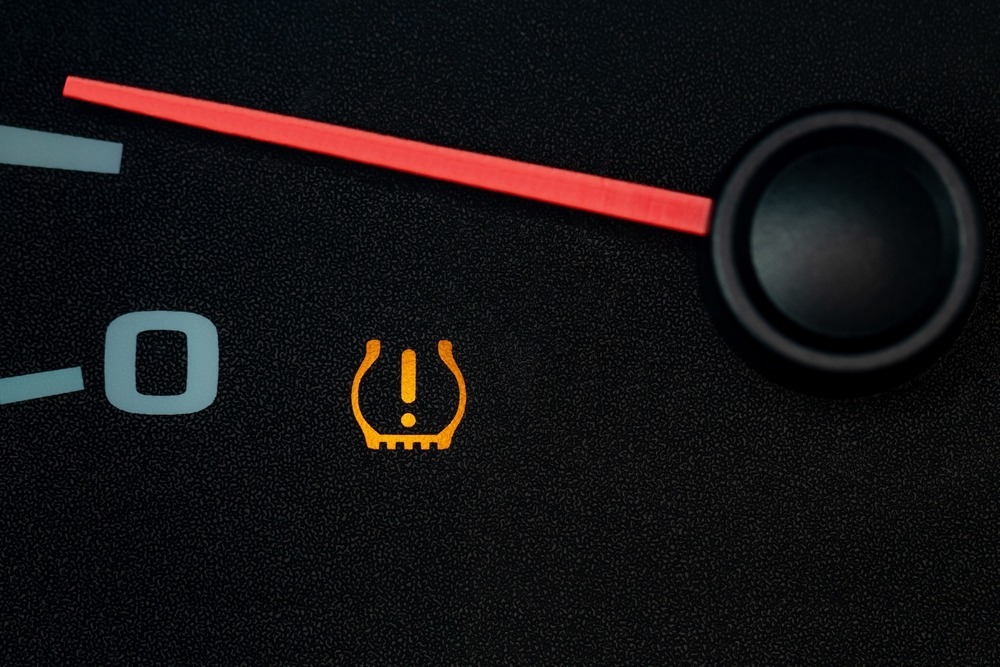 Door Jamb Placard = Correct PSI
How Does Tire Size Affect Recommended Hyundai Tire Pressure?
 Example Size: 225/45R17
Tire size and tire pressure recommendations are related. Read more about this relationship. Factory tire pressure recommendations may differ for vehicles in the Hyundai lineup. Factors affecting recommended tire pressure include tire size. Tire size information, which can include 225/45R17 and other notations, is stamped on the side of a tire. Replacing tires with the correct size helps maintain safe driving conditions and speedometer accuracy. Look for tire size information on a door placard or in your owner's manual. Staff members at Hyundai of Bowie can help you locate this information.
Knowing your Hyundai Elantra Tire Size is especially important when replacing tires or purchasing seasonal tires. Always select the size recommended for your specific vehicle and trim level.
What Should My Tire Pressure Be in Winter?
This is a widespread problem for drivers, especially in Bowie and Crofton, MD, where cold weather can persist for long periods. Cold air is denser than warm air and can reduce tire pressure. One rule of thumb is that tire pressure will drop 1 PSI for every 10-degree drop in temperature. Tire pressure might drop 4 PSI overnight without any punctures or leaks if overnight lows fall from 70 degrees to 30 degrees. Tires that are correctly inflated in September may be underinflated in November in these locations.
What tire pressure should you use in winter? Following Hyundai recommendations, you may need to adjust tire pressure to account for seasonal temperature changes. However, always follow the recommended cold tire pressure listed on the door jamb sticker rather than randomly adding extra pressure above the manufacturer's specifications. To get the most accurate tire pressure reading, check tire pressure when tires are cold, meaning the vehicle has been parked for three or more hours and driven one mile or less. Cold tire pressure readings will be lower than warm tire pressure readings. Never inflate your tires beyond the maximum pressure listed on the tire sidewall in any season.
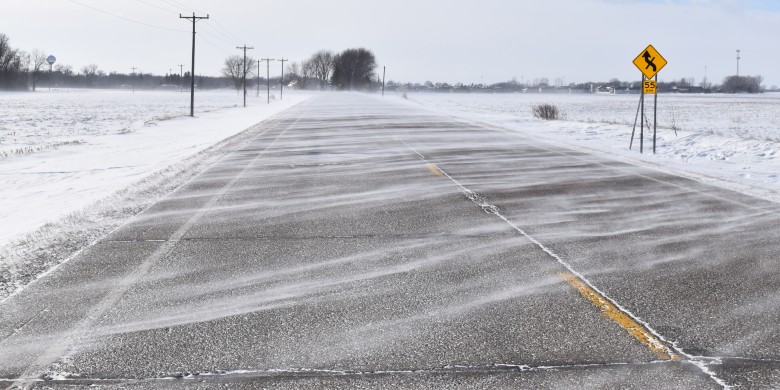 70°F to 30°F = -4 PSI Overnight
Cold-Weather PSI Drop & TPMS Warning Scale (Example 36 PSI Target)
Illustrative comparison showing how an overnight 40°F Maryland drop and the 25% TPMS trigger compare against a 36 PSI cold target.
Dashed line = 25% below target (TPMS warning threshold). Tires are already significantly underinflated by the time the dashboard warning light turns on.
| Hyundai Tire Pressure Factor | Figure / Rule | What Drivers Should Do |
|---|---|---|
| Recommended Cold Pressure (Unloaded) | 32 to 36 PSI | Check the driver-side door jamb label or owner's manual, not the tire sidewall max. |
| Temperature Change Effect | -1 PSI per 10°F drop | Recheck PSI in fall and winter (70°F to 30°F can drop pressure by 4 PSI overnight). |
| Cold Tire Measurement Window | Parked 3+ hours, driven 1 mile or less | Measure cold before long drives for the most accurate PSI reading. |
| TPMS Warning Threshold | 25% below recommended PSI | Check monthly with a digital gauge instead of waiting for the dashboard light. |
| Monthly Maintenance Habit | 2 minutes per month | Inspect all four road tires plus the spare tire. |
Which Monthly Habits Keep Hyundai Tires Properly Inflated?
Monthly tire pressure checks take just two minutes out of your day but have many benefits, including longer tread life, improved fuel efficiency, and better safety. A quality digital tire gauge gives a more accurate tire pressure measurement than the TPMS warning light. Most drivers don't receive a TPMS warning light until tire pressure falls 25 percent below the recommended level. Tires are likely significantly underinflated when drivers receive the TPMS warning. Manual tire pressure checks can help avoid issues. Check the spare tire, too. Many drivers neglect the spare tire, which could be the most critical tire when an emergency occurs.
 2-Minute Monthly Gauge Check
Park 3+ Hours Cold
Check tires after sitting at least three hours and driven one mile or less for true cold PSI.
Use a Digital Gauge
Compare readings against the 32-36 PSI placard inside your driver-side door jamb.
Check the Spare Tire
Verify spare tire pressure once a month so it is ready if an emergency occurs.
Where Can Bowie and Crofton Drivers Get Hyundai Tire Service?
If your TPMS light is on or you don't know your Hyundai Elantra Tire Pressure, bring your vehicle to Hyundai of Bowie. Our team can help you check Hyundai Tire Pressure and identify potential issues. Services we provide include tire pressure checks, rotations, and new tire installations in the right size and type for your vehicle. Schedule a service appointment today.
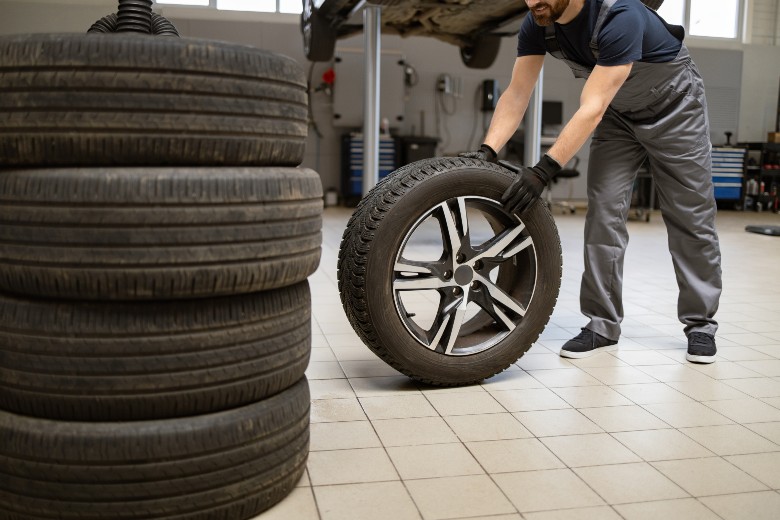
Tire Pressure Checks
Confirm accurate cold inflation pressures and spot slow leaks or potential issues early.
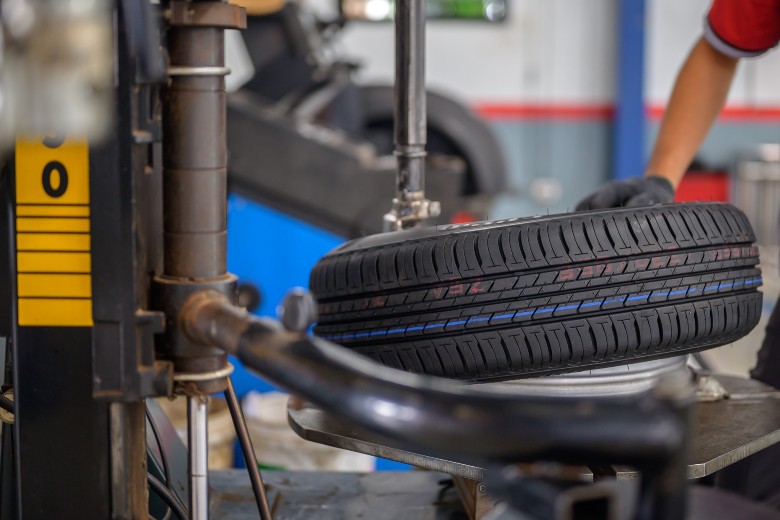
Tire Rotations
Promote even tread wear and extend tire life across Bowie and Crofton roads.
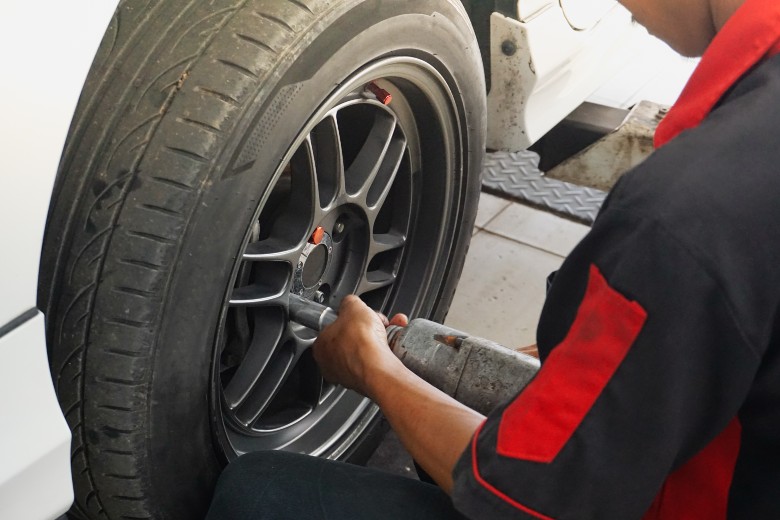
New Tire Installations
Replace worn tires in the exact size and type recommended for your Hyundai trim level.
Visit Hyundai of Bowie for Tire Checks, Rotations & Replacements
Address: 2404 Crain Hwy, Bowie, MD 20716 · Sales Phone: 240-400-1053
Serving drivers across Bowie and Crofton, MD. Schedule your next tire inspection online or get turn-by-turn directions to our Crain Hwy service center.
Frequently Asked Questions About Hyundai Tire Pressure
What is the recommended tire pressure for most Hyundai cars and SUVs?
Recommended tire inflation pressures for most Hyundai cars and SUVs are 32-36 PSI when not loaded. Always check the label inside the driver's door jamb or your owner's manual rather than inflating to the maximum pressure marked on the tire sidewall.
How much does Hyundai tire pressure drop in cold Maryland winters?
As a rule of thumb, tire pressure drops 1 PSI for every 10-degree drop in temperature. If overnight lows fall from 70 degrees to 30 degrees in Bowie or Crofton, MD, tire pressure can drop 4 PSI overnight without any punctures or leaks.
When should I check my Hyundai tire pressure for the most accurate reading?
Check tire pressure when tires are cold, meaning the vehicle has been parked for three or more hours and driven one mile or less. Use a quality digital tire gauge once a month and remember to check the spare tire.
When does the Hyundai TPMS warning light turn on?
Most drivers do not receive a TPMS warning until tire pressure falls 25 percent below the recommended level, which means tires are already significantly underinflated when the dashboard light turns on.
Hyundai of Bowie
Address
2404 Crain Highway
Bowie, MD 20716
Phone
- Sales 240-400-1053240-544-6714
- Service 240-544-6708
- Parts 240-544-6713
| Monday | 9:00AM - 9:00PM |
| Tuesday | 9:00AM - 9:00PM |
| Wednesday | 9:00AM - 9:00PM |
| Thursday | 9:00AM - 9:00PM |
| Friday | 9:00AM - 9:00PM |
| Saturday | 9:00AM - 7:00PM |
| Sunday | 11:00AM - 5:00PM |
| Monday | 7:00AM - 7:00PM |
| Tuesday | 7:00AM - 7:00PM |
| Wednesday | 7:00AM - 7:00PM |
| Thursday | 7:00AM - 7:00PM |
| Friday | 7:00AM - 7:00PM |
| Saturday | 7:00AM - 4:00PM |
| Sunday | Closed |
| Monday | 7:00AM - 7:00PM |
| Tuesday | 7:00AM - 7:00PM |
| Wednesday | 7:00AM - 7:00PM |
| Thursday | 7:00AM - 7:00PM |
| Friday | 7:00AM - 7:00PM |
| Saturday | 7:00AM - 4:00PM |
| Sunday | Closed |